
11.11: Singles' Day now rewards the best-prepared brand

On 11 November, Singles' Day comes to an end. For brands, the game was played much earlier: the first sales opened on 12 October, and the key decisions (products, prices, stock, content) are made in the summer.
In the meantime, the rules have changed. The platforms no longer publish official figures, shoppers compare prices more, and Tmall Global puts forward brands that prove their origin.
This third special issue of The Asia Letter traces seventeen years of 11.11 and sets the figures against the analyses of the major consultancies. It also offers a practical calendar for French brands selling in China without a subsidiary, through a distributor or cross-border e-commerce.
Download the full letter (7 pages, clickable sources): French version · English version
1. No more official figures, but a trend still pointing up
In 2009, Alibaba launched the first 11.11 on Taobao Mall (renamed Tmall in 2012) with 27 brands. In 2026, Tmall claims one million, and more than 70 million products. In between, the last official figure, in 2021: 540.3 billion yuan at Alibaba, up 8.5%, the smallest increase in its history.
Since 2022, neither Alibaba nor JD.com has published an official figure, but the available estimates show that 11.11 keeps growing. Chinese firm Syntun now estimates sales across all platforms: 1,115 billion yuan in 2022, 1,139 in 2023 (+2%), 1,442 in 2024. For 2025, it reports 1,695 billion, a total that now includes instant commerce and group buying; on a like-for-like basis, growth is 14.2% (Yicai).
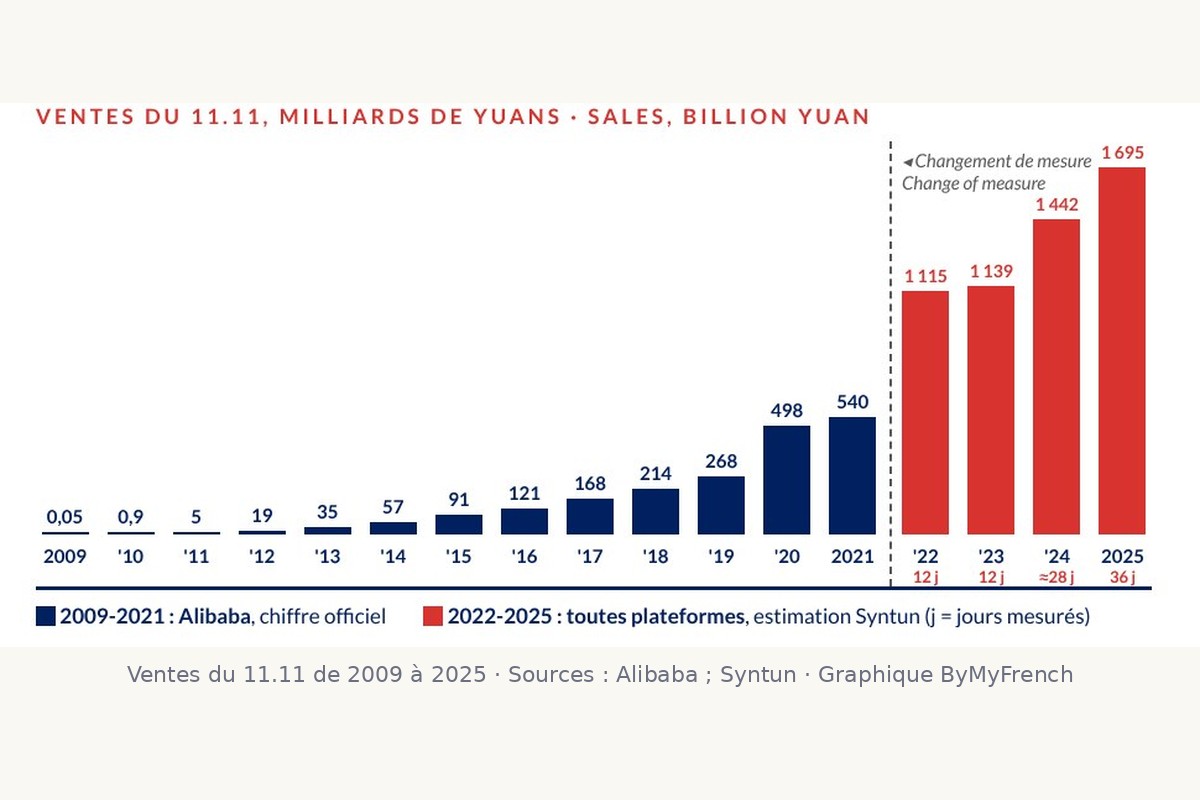
These figures are not audited, and the period measured has stretched from 12 to 36 days. According to Bain & Company, the promotional period grew from 11 to 28 days in 2024: total sales rose by 27%, but average daily sales were halved.
Better, then, to judge your 11.11 on your own indicators: daily sales, net margin after discounts, share of new customers and repurchase rate.
2. Four major changes since 2020
- A campaign rather than a day. In 2025, the longest 11.11 in history lasted 37 days at JD.com. In 2026, JD.com and Douyin opened their sales on 12 October, with no pre-sale; Tmall kept a simplified pre-sale, opened on 15 October, before sales started on the 20th.
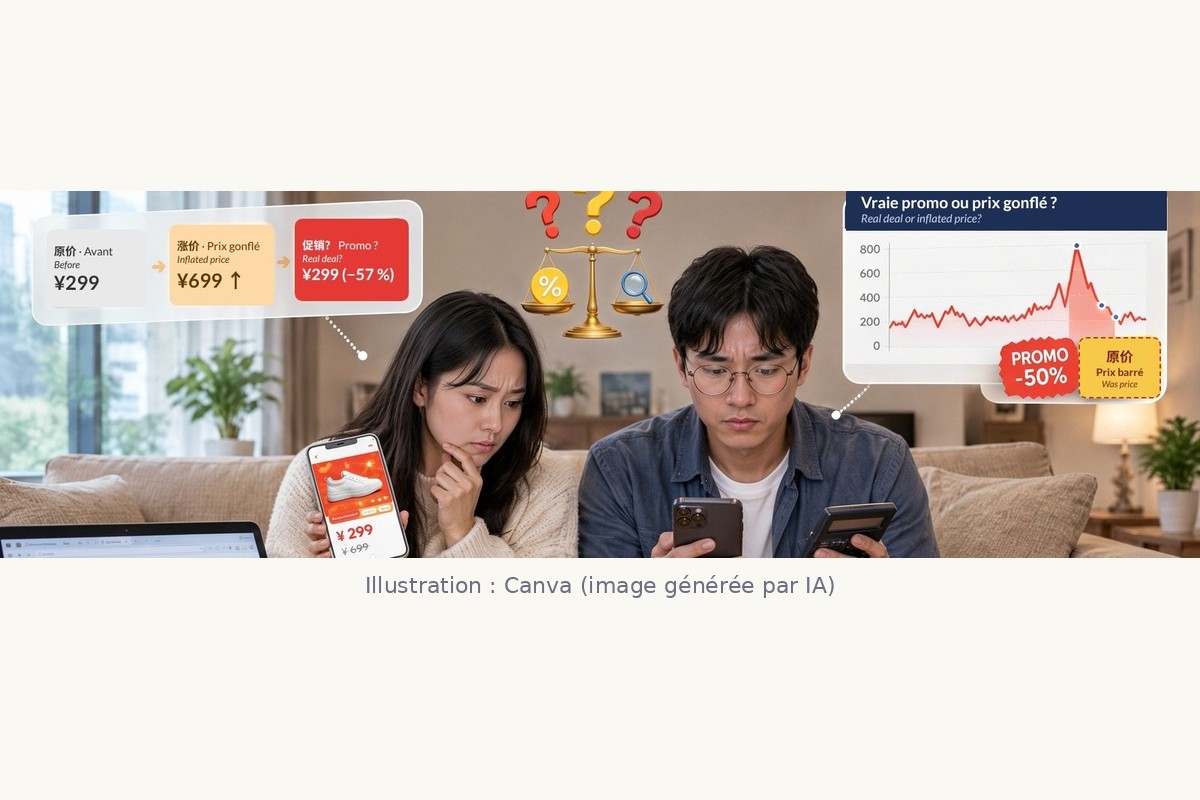
- More wary shoppers. Enthusiastic shoppers fell to 49% in 2024, from 76% in 2021 (Bain), and the share of customers complaining about unclear prices rose from 14% to 27% (Walkthechat). In 2026, Tmall removes cumulative cross-store discounts: the discount becomes direct, and the merchant pays for it.
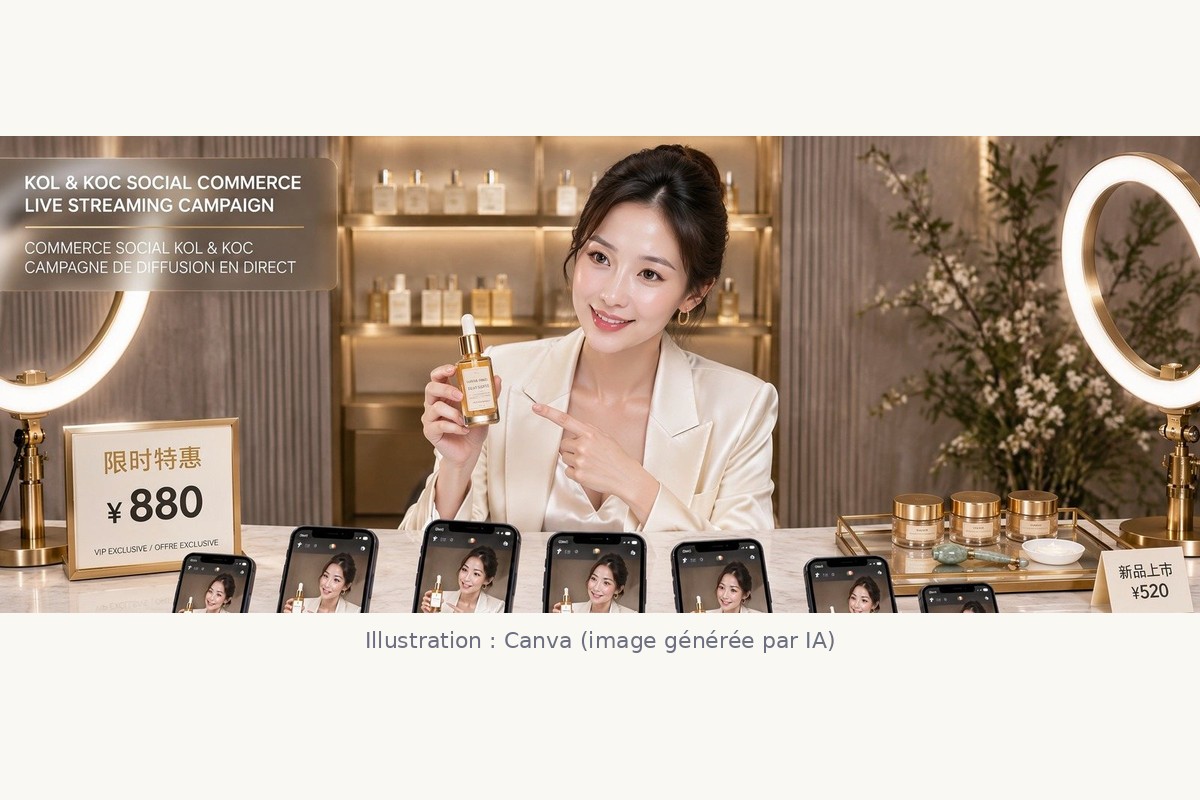
- Content and proximity drive sales. Livestream sales rose from 181 to 333 billion yuan between 2022 and 2024, nearly a quarter of 11.11; the top influencers now account for only 11% of it in 2025, against 27% in 2022 (Tencent News). Instant commerce reached 67 billion yuan in 2025 (+138%).
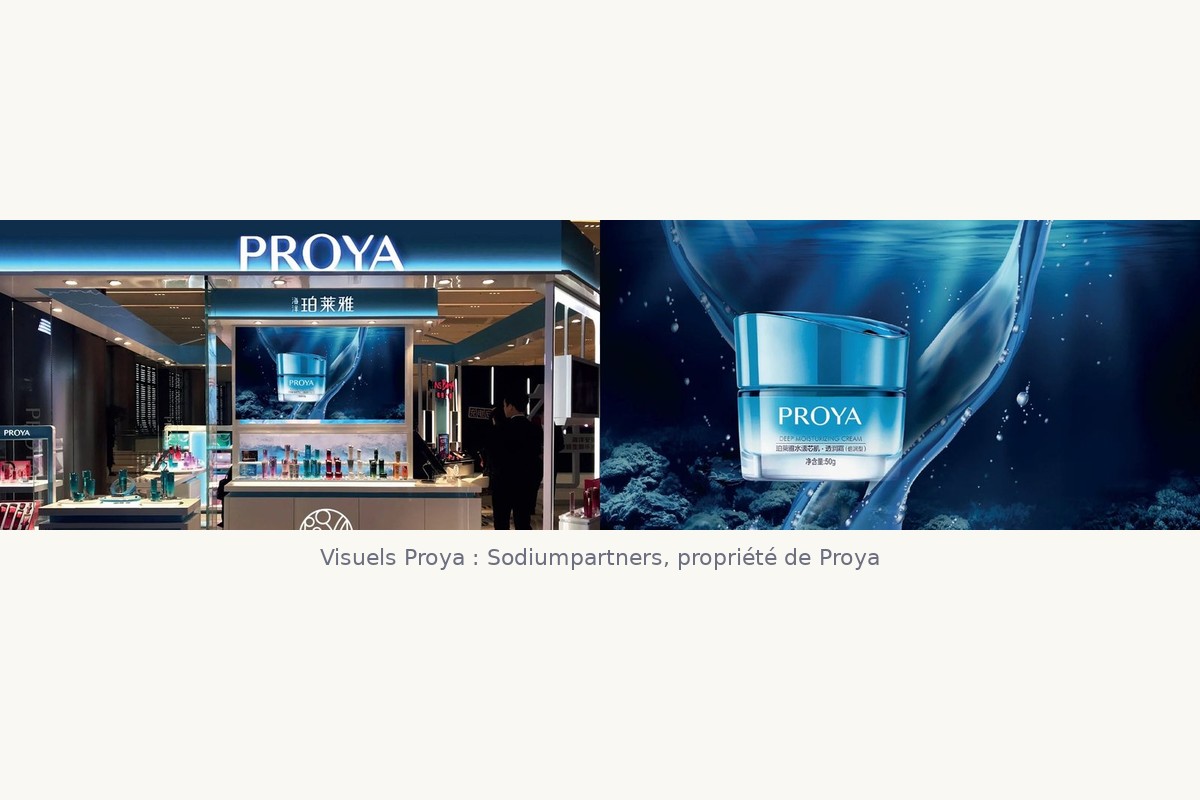
- Chinese brands are gaining ground. In 2023, Proya (珀莱雅) became the number one beauty brand on Tmall, a first for a Chinese brand in six years. It stayed top in skincare in 2024.
3. Guochao, or Chinese pride in their own brands

Guochao (国潮, literally "national wave") describes Chinese consumers' attachment to their own brands and cultural heritage. In 2024, Chinese brands held 55.2% of the Chinese cosmetics market by value (Xinhua). In coffee, Starbucks' market share fell from more than 40% in 2017 to 14% in 2024 (Bernstein, via the Wall Street Journal).
In beauty, 78% of consumers preferred foreign brands in 2021; only 37% did in 2025, against 43% for Chinese brands (Accenture). For 85% of those who prefer Chinese brands, price is the first reason.
French brands that know how to stand out still win. In the first four hours of 11.11 2026, Kérastase, SkinCeuticals and Helena Rubinstein posted double-digit growth (China Skinny).
4. Origin, an asset to prove and to show
In 2025, 2,415 foreign brands opened a first store on Tmall Global, more than six a day. France is among the countries where the number of new brands is growing fastest, along with New Zealand and Australia; the United States, Japan and South Korea remain ahead in volume. More than 1,300 imported brands are taking part in 11.11 for the first time in 2026.
Since May 2026, Tmall Global has been running an origin traceability programme (全球探源计划), which more than 50 brands have joined. The platform checks a certificate of origin, a certificate of free sale or a marketing authorisation, and visual proof of sale in the country of origin. The product page then displays a badge and videos shot on site by creators.
The result: more than half of these brands achieved double-digit growth during 11.11. In our special issue No. 2, we wrote that Made in France is no longer enough and that you have to know how to tell its story. To benefit from it, you now also have to prove it.
5. What consultancies and platforms say
- McKinsey: consumption was expected to grow by 2.3% in 2025. For 2026, the firm warns that "competing on price alone will not work"; only a compelling value proposition will unlock household savings.
- Bain & Company: the answer is not to pile on the discounts that long made Singles' Day famous.
- Walkthechat: complaints about complicated promotions rose from 7% to 31% and remain shoppers' top criticism; the average discount stays between 15 and 17%.
- Alibaba and JD.com: in 2025, nearly 600 brands passed 100 million yuan in sales on Tmall. At JD.com, the number of shoppers rose by 40% and orders by nearly 60%; sales of 1,500 imported brands tripled on JD Cross-Border.
- National Bureau of Statistics: online sales reached 15,972 billion yuan in 2025 (+8.6%). According to Syntun's estimates, 11.11 accounts for about a tenth of that.
First figures for 11.11 2026: on Tmall, 124 brands passed 100 million yuan in sales in four hours, and 60,000 merchants are taking part for the first time (Alizila).
11.11 is also going abroad: for the second year, Taobao is running its campaign simultaneously in 20 markets. In Singapore and Malaysia, it delivers with no minimum purchase. Your price must therefore be consistent across Asia.
6. Our analysis: 11.11 is prepared from June
For a French brand selling in China through a distributor, here is the calendar we recommend:
- June: choose two or three hero products with your distributor, and plan a new product or a dedicated gift box.
- July: set a floor net price in writing, decide who funds the 11.11 discount, and hold that price all year round.
- Summer: build up sufficient stock in China.
- September: finalise content in Chinese, prepare livestreams with KOLs and KOCs, and complete the origin file.
11.11 no longer rewards the biggest discount, but the best-prepared brand.
Read the full letter
2009-2025 chart, the Proya case, guochao, foreign brands, expert views and all the sources: download the letter in French or read the letter in English. Also worth reading: The Asia Letter · Special issue No. 2, Made in France.
Preparing for 618 or the next 11.11? I offer you thirty minutes to review your hero products, pricing policy and origin file. Book your slot.
Cover: visual created with Canva (AI-generated image); official logos added, property of their owners.